What a corpus can reveal about an ordinary phrase
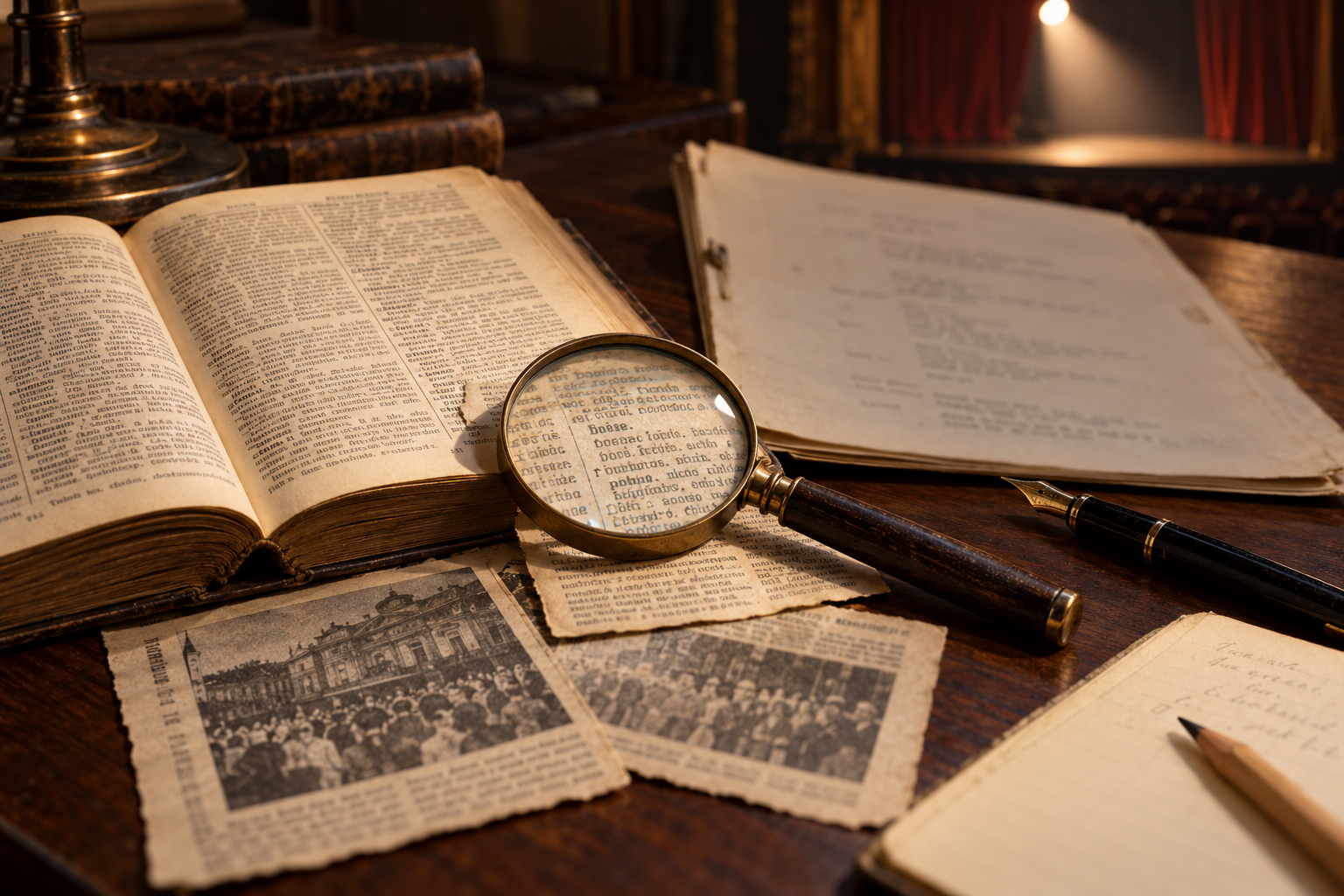
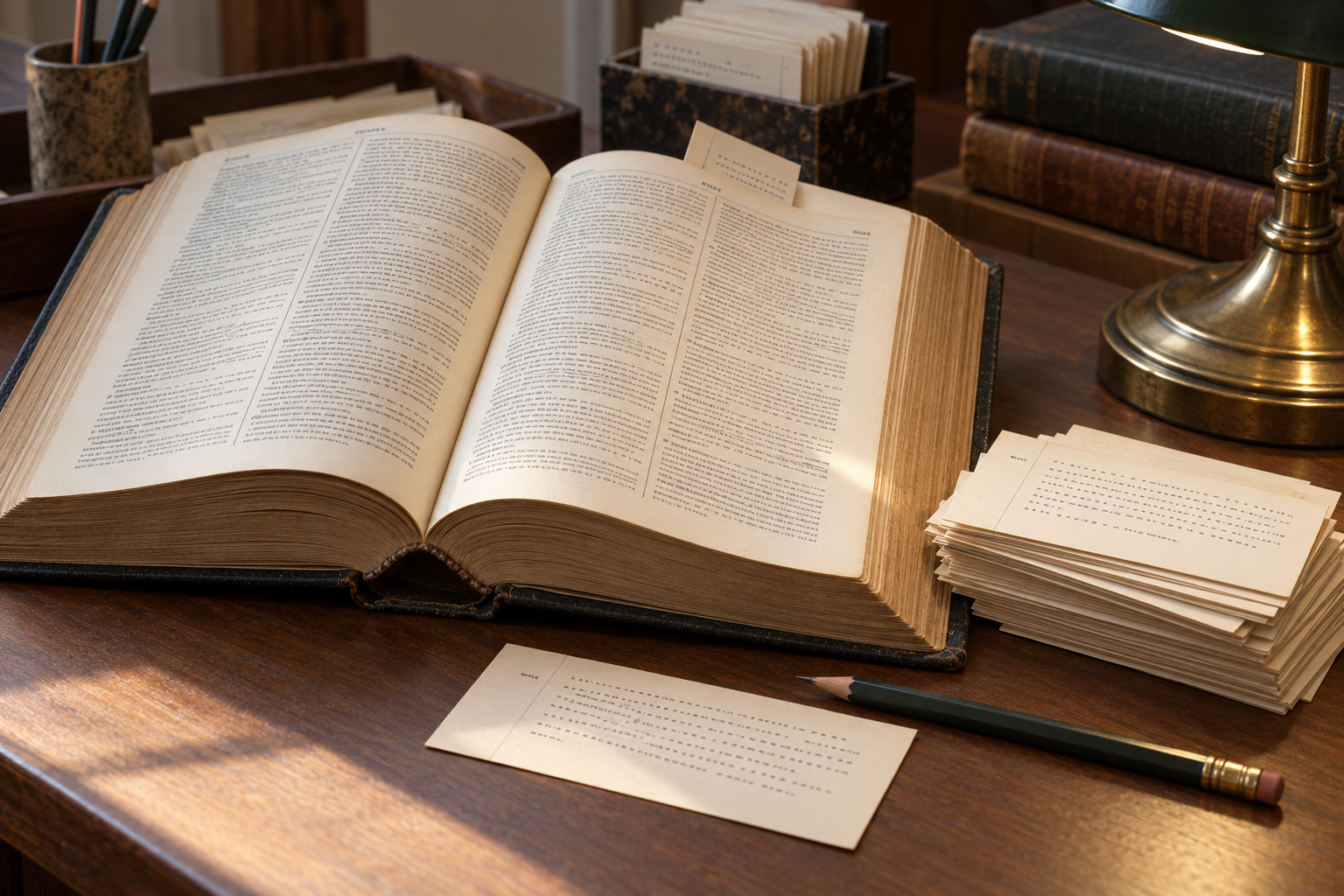
A corpus can show where a phrase appears, which meaning its context supports, and how its use varies across sampled kinds of speech and writing. Its counts inherit the limits of the collection.
A place for slower thoughts
Language change, writing systems and the evidence behind familiar words.
Words by Sana Reed
A corpus can show where a phrase appears, which meaning its context supports, and how its use varies across sampled kinds of speech and writing. Its counts inherit the limits of the collection.
The word robot has a printed debut, an older Czech source, a later account crediting Josef Čapek, and a meaning that changed as it travelled. Each piece of evidence answers a different question.
A river or settlement keeps drawing new speakers even as languages change. Borrowed sounds, official maps and living local knowledge explain why old names persist, shift, disappear from records or return.
Arabic and Hebrew often leave short-vowel marks off the page, yet their spelling still offers letters, patterns and context. Optional marks let a writer adjust the help a reader receives.
A new dictionary entry often records a word with a long life behind it. Editors weigh dated examples, shared meaning, spread and the needs of a particular readership; the entry marks a judgment about evidence, not a word's birth.